Email Marketing for Garage Door Repair Companies: Turn One-Time Emergencies Into Annual Customers
Part of guideEmail Marketing for Service Businesses: The Complete Guide →Most garage door work is a one-time emergency call. Here is the email system that turns each broken spring into a customer who books a safety check every year.
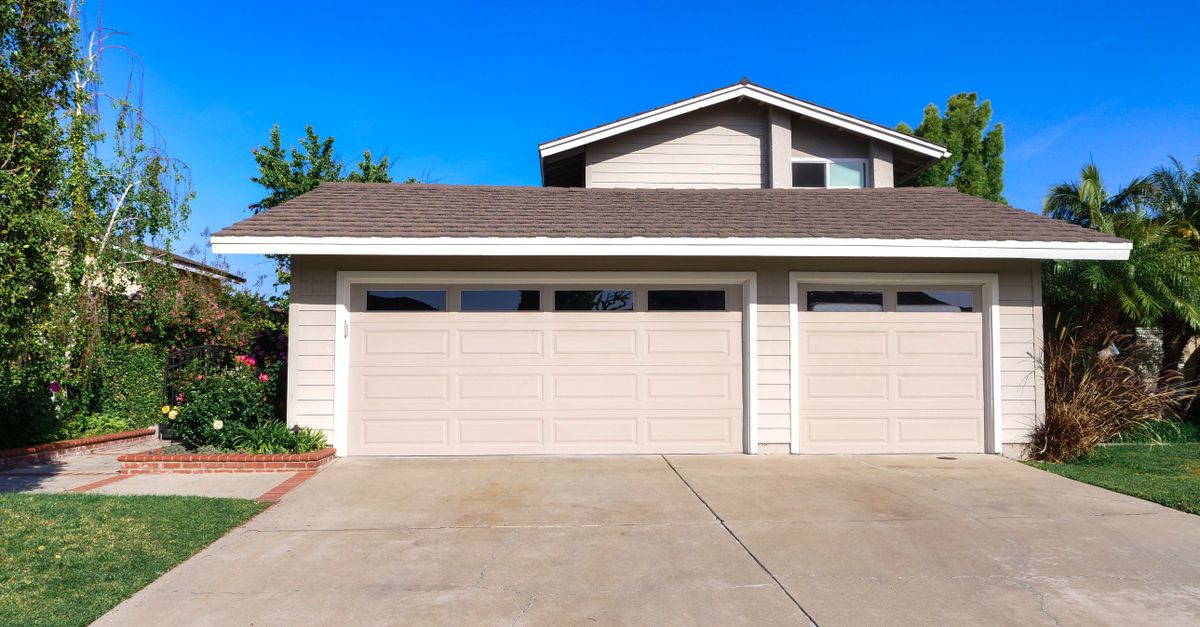
If you repair garage doors for a living, your business has a structural problem that is easy to feel but hard to name. Almost every job arrives as a one-time emergency. A torsion spring snaps with a bang in the garage, an opener dies on a cold morning and traps a car inside, a cable frays and the door hangs crooked. The homeowner finds you in a panic, you fix it that day, they pay, and then they disappear. They have no reason to think about you again until the next thing breaks, which might be five years from now, or might be never. You did excellent work, and the relationship ended the moment your truck pulled away.
That is the trap of emergency-driven trades. You are only as busy as this week's breakdowns, and you compete on whoever shows up first in the search results. But a garage door is a mechanical system with springs, cables, rollers, an opener, and safety sensors that all wear out on a predictable schedule. That means every emergency customer is also a maintenance customer waiting to happen, if you stay in touch. Email is how you stay in touch without lifting a finger after the initial setup. This guide shows you how to turn a stream of one-off repairs into a base of customers who hear from you, trust you, and book a safety check every single year.
Why Email Wins for a Repair Business
It is tempting to think email is for companies that send newsletters, not for a tradesperson who fixes things. But email fits the garage door business almost perfectly, precisely because your work is occasional and high-stakes. When a door fails, the homeowner does not shop around carefully. They call whoever they remember or whoever they can find fastest. If you have been quietly landing in their inbox once a season with genuinely useful reminders, you are the name they remember. You have already won the job before the spring even breaks.
The math is simple. Winning a brand-new customer through ads means paying for clicks against every other repair company in town, at the exact moment the customer is comparing prices under stress. Reaching a past customer by email costs almost nothing, and they already know your work is good because you did it in their own garage. A reminder to someone you have served is the single highest-return message in the trade. You are not selling to a stranger. You are staying useful to a neighbor.
There is a deeper reason too. A garage door has real safety stakes. A torsion spring stores enormous tension, and a worn cable or a misaligned photo-eye sensor is not just an inconvenience, it is a hazard to a family with children and pets. When your emails frame maintenance around safety rather than sales, you are telling the truth, and homeowners feel the difference. You become the trusted expert who looks out for them, not another company chasing a transaction. To learn more about building that contact base from scratch, see how to build an email list for a service business.
Build the List at the Point of Service
None of this works without a list, and the best moment to capture an email address is the moment you are standing in the customer's garage having just solved their problem. Gratitude is at its peak. The homeowner is relieved, the door works again, and they think you are a hero. That is when you ask. A simple line on the invoice or a quick word from the technician, explaining that you will email a record of the work done and an annual reminder when the door is due for a safety check, gets you the address with almost no friction.
Make the ask honest and specific. People hand over an email address willingly when they know exactly what they will get and that it will be useful. Tell them plainly: a copy of today's work, a yearly reminder before something wears out, and the occasional seasonal heads-up when cold weather or storms put extra strain on the door. Promise no spam, and keep that promise. A clean list of past customers who said yes is worth far more than a giant list of strangers who never asked to hear from you.
Capture a few useful details along with the address: the date of the repair, what you fixed, and roughly when the door was installed if you can tell. Inside Mailmundo you can store these as fields on each contact, which is what makes the annual reminder land at the right time for each household instead of going out as a generic blast. The more your reminders feel specific to that customer's door, the more they convert.
The Annual Safety and Tune-Up Reminder
This is the single most valuable email a garage door company can send, and almost nobody sends it. A garage door cycles thousands of times a year, and every cycle wears the components a little more. A once-a-year tune-up is genuinely good for the customer and a reliable source of work for you. The annual reminder is the email that converts a one-time repair into a yearly relationship.
What the Reminder Should Cover
Make the reminder concrete by spelling out what an annual safety check actually includes, because most homeowners have no idea their door needs servicing at all. A good tune-up inspects the torsion springs for wear and correct tension, checks the cables for fraying, tests the rollers and hinges, lubricates the moving parts, verifies the opener's force settings, runs a balance test to confirm the door is not straining the motor, and most importantly tests the photo-eye safety sensors that stop the door from closing on a child or a pet. Listing these items does two things: it shows the customer there is real substance to the visit, and it quietly reminds them that a garage door is a serious mechanical system that deserves attention.
Timing It to Each Customer
The reminder works best when it arrives roughly a year after the original repair, so it feels personal rather than random. With Mailmundo you set the repair date as a trigger and the annual reminder fires automatically twelve months later, then again each year after that. You build it once and it runs on its own, quietly turning last year's emergency callers into this year's scheduled appointments. That single automation is the backbone of converting one-time work into recurring revenue.
Converting Emergencies Into Maintenance Customers
The annual reminder is the engine, but the conversion really begins the moment the emergency repair is finished. Someone who just paid to replace a broken spring at the worst possible moment is unusually receptive to the idea of never being caught like that again. That is the opening. A short follow-up a few days after the job, thanking them and gently explaining that most garage door failures are preventable with a yearly check, plants the seed. You are not pushing a hard sell. You are offering peace of mind to someone who just lived through the alternative.
Frame the annual check as the difference between a planned, inexpensive visit and another surprise breakdown that traps a car and ruins a morning. Most homeowners have never connected those dots, because no one ever explained that the spring that just failed had been quietly wearing out for years. When you make that connection clearly and honestly, signing up for an annual check feels like the obvious, responsible choice. A good welcome and follow-up flow does a lot of this work for you; see how to set up a welcome email sequence for a service business for the structure.
Seasonal Campaigns That Fit a Garage Door
A garage door is exposed to the weather in a way few home systems are, which gives you natural, honest reasons to reach out at specific times of year. These seasonal emails are not filler. They warn the customer about a real strain on their door and position you as the expert watching out for it.
The Cold-Weather Email
When the first hard cold arrives, garage door problems spike. Grease stiffens, metal contracts, springs become brittle and are far more likely to snap, and openers struggle against the added resistance. A short email as the temperature drops, explaining why winter is hard on a garage door and offering a quick check or a lubrication before something breaks, lands exactly when the homeowner is starting to notice the door groaning. It is useful, it is timely, and it books work in a season when failures are most common.
The Spring Storm Email
Spring brings its own strain. Heavy storms and wind put pressure on the largest moving panel of the house, and the freeze-thaw cycle of late winter can have already loosened hardware and worn cables. An email as storm season approaches, suggesting a quick inspection of the door's balance, hardware, and weather seal, gives the homeowner a reason to act before a failure rather than after. Built once in Mailmundo and scheduled to send each year as the season turns, these campaigns run automatically and keep your name in front of every past customer at the two moments their door is under the most stress.
The Review Request After the Job
Reviews are how the next emergency customer finds you, and the best time to ask is right after a successful repair, while the relief is fresh. A homeowner whose door you just rescued is at the peak of goodwill, and a short, well-timed email asking for a review converts far better than a request that comes weeks later when the moment has faded.
Keep it simple and human. Thank them for trusting you with the repair, mention that reviews help other families find a reliable company when their own door fails, and give them one clear link to follow. Do not overcomplicate it. Automated through Mailmundo to send a day or two after each completed job, the request goes out at the perfect moment every time without you having to remember. For the details of wording and timing that actually earns five-star reviews, see how to get more Google reviews by email.
Reactivating Past Customers
Some customers will slip through even with the annual reminder running, and others were served before you started collecting emails properly. These past customers are pure opportunity. They already know your work is good, and a garage door served years ago is almost certainly overdue for attention. A reactivation email acknowledges that it has been a while, reminds them that their door has been cycling thousands of times since you last visited, and offers a safety check to make sure nothing is quietly wearing toward a failure.
The reactivation message works best when it does not feel like a generic blast. Reference the original work if you have it on record, note honestly that springs and cables wear out on a schedule, and make booking effortless. A customer you served three years ago is far easier to win back than a stranger is to win over, because the trust is already built. Run this as a periodic automation in Mailmundo and you quietly recover work from a base you already earned, turning a dormant list into booked appointments without spending a cent on advertising.
Putting It All Together
Step back and the system is simple. You capture the email at the point of service, while gratitude is high. A follow-up turns the emergency into the start of a relationship. The annual safety reminder, fired automatically a year after each repair, is the engine that converts one-time callers into yearly customers. Seasonal emails for cold weather and spring storms keep you present at the two moments the door is most at risk. The review request after each job feeds your reputation, and the reactivation campaign recovers the customers who drifted. None of it requires you to remember anything once it is built.
That is the real point. A garage door repair business does not have to live and die by this week's breakdowns. With each piece built once inside a platform like Mailmundo, the reminders fire on their own, the seasons trigger the right campaigns, and your list stays organized across English, Spanish, and Portuguese customers without manual work. You keep doing the skilled work in the field, and the emails quietly turn a stream of one-time emergencies into a base of customers who come back every single year.